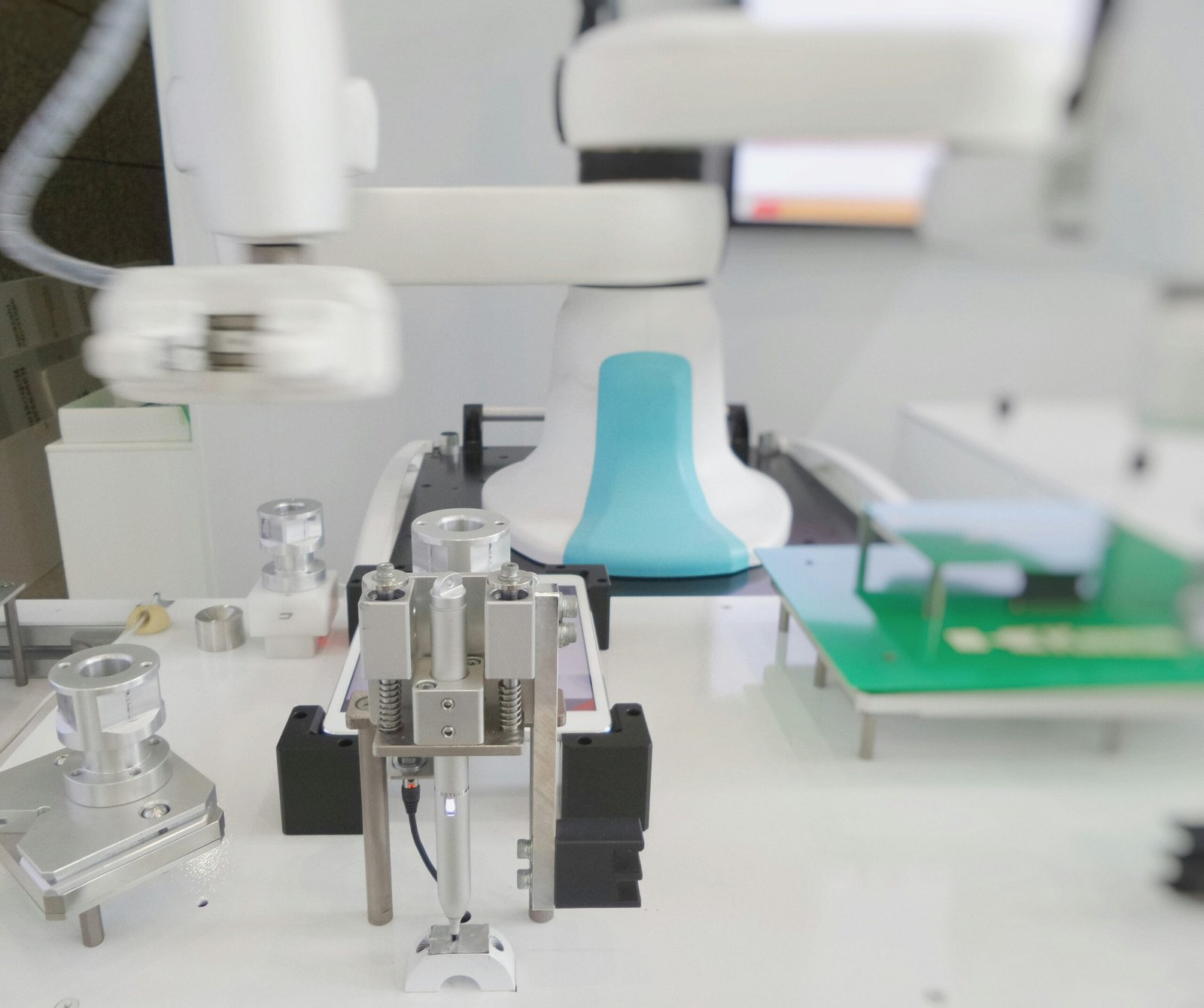
Importance of Projects in Mechanical Engineering
In the field of mechanical engineering, where theoretical knowledge must be blended with practical skills, the significance of building a strong portfolio cannot be overstated. A well-crafted portfolio serves as an essential tool for students to demonstrate their capabilities and insights into the mechanical engineering discipline. Hands-on projects act as the cornerstone of this portfolio, as they allow students to apply theoretical concepts learned in classrooms to real-world challenges.
Engaging in practical projects enables mechanical engineering students to gain vital experience in various aspects of their field, including design, manufacturing, testing, and optimization of mechanical systems. The ability to showcase these skills through tangible projects not only reinforces the theoretical concepts acquired during coursework but also helps students understand the complexities involved in engineering solutions. Moreover, these experiences often foster collaboration and communication skills crucial for succeeding in team-oriented environments.
Furthermore, a portfolio filled with diverse projects serves as a distinctive advantage when students enter the job market. Potential employers are increasingly looking for candidates who can exhibit hands-on experience alongside academic credentials. A strong project portfolio can effectively communicate a student’s initiative, problem-solving abilities, and technical knowledge, helping distinguish them from other candidates. In a competitive job landscape, having a varied set of projects can make a significant impact on a graduate’s employability.
Ultimately, a well-rounded portfolio is a reflection of a student’s dedication and passion for mechanical engineering, evidencing their commitment to learning and mastery of practical skills. As students embark on their educational journey, engaging in meaningful projects serves not only as a tool for professional development but also as a foundation for lifelong learning in the engineering profession.
Project 1: Design and Build a Simple Mechanical Robot
Developing a simple mechanical robot is a rewarding project for mechanical engineering students, encompassing multiple facets of engineering and design. The project typically begins with ideation and sketching out preliminary concepts, which allows students to explore various functionalities and design elements they hope to incorporate into their robot. Essential components often include motors, sensors, microcontrollers, and power systems, each playing a significant role in the robot’s overall performance.
The design process involves the use of Computer-Aided Design (CAD) software, where students can create 3D models of their robotic systems. This modeling phase is crucial for visualizing the robot’s structure, enabling the identification of potential design flaws early in the development. CAD modeling equips students with practical skills that are invaluable in the engineering field, such as precision drawing, spatial reasoning, and alterations based on iterative feedback.
Programming is another key skill developed during this project. Students learn to write code that will dictate the robot’s movements and responses to environmental stimuli. By integrating software with mechanical design, they gain a comprehensive understanding of how mechanics and electronics work together in real-world applications. Collaboration plays a vital role in this project as well; teamwork is essential when building the robot, as it combines various disciplines within engineering. Working in groups encourages knowledge sharing and collaborative problem-solving, which are crucial in professional settings.
In conclusion, constructing a simple mechanical robot not only deepens practical engineering knowledge but also cultivates essential skills in design, programming, and teamwork. This project serves as an excellent foundation for students looking to enhance their portfolios and prepare for future engineering challenges.
Project 2: Creating a CNC Machine from Scratch
Building a CNC (Computer Numerical Control) machine from scratch is an exemplary project for mechanical engineering students that intricately combines design, engineering principles, and hands-on fabrication skills. A CNC machine is utilized in manufacturing for tasks such as milling, drilling, and cutting, enabling precision in processes that traditional methods often lack.
The initial phase of this project involves thorough research and planning. Students must understand the fundamental principles behind CNC technology, including the mechanics of motion, control systems, and the software that operates the machine. The design process typically begins with creating 3D models using software like SolidWorks or AutoCAD, which aids in visualizing the assembly and functions of the CNC machine components.
Materials play a significant role in the construction of the CNC machine. Commonly used materials include aluminum for the frame due to its lightweight and robust properties, as well as high-density plastics for components such as bearings and couplings. Additionally, students will need stepper motors, a control board, screws, and belts to achieve the desired movement and accuracy in machining operations.
Throughout the construction process, students encounter various engineering concepts, including kinematics, dynamics, and thermodynamics. They also gain insights into precision manufacturing techniques and the importance of creating tolerances in mechanical designs. Furthermore, by integrating Software such as Mach3 or GRBL, students learn how programming interfaces can enhance the interaction between the machine and design files.
A key learning outcome of this project is acquiring a comprehensive understanding of automation in manufacturing. Students not only develop practical skills in engineering design but also enhance their problem-solving abilities by troubleshooting issues that may arise during the assembly and calibration of the CNC machine. Overall, this project serves as an impactful addition to a mechanical engineering portfolio, showcasing both technical skills and innovative thinking.
Project 3: Development of a Renewable Energy Device
The development of a renewable energy device stands as a pivotal project that can significantly enhance the portfolio of any mechanical engineering student. This project could involve the design and implementation of devices such as a wind turbine or a solar collector, both of which harness natural resources to generate energy. By engaging in such a project, students can gain hands-on experience with sustainable technologies, an area of growing importance in today’s engineering landscape.
The engineering challenges in this endeavor are multifaceted and require innovative thinking. Students must address issues related to materials selection, aerodynamic design, and energy conversion efficiency. For instance, when constructing a wind turbine, factors such as blade shape, height, and materials all come into play, while in solar collectors, the efficiency of solar absorption and heat transfer processes must be optimized. These challenges necessitate a thorough understanding of both theoretical and practical engineering principles.
Furthermore, working on renewable energy devices fosters research skills crucial for any engineering profession. Students are required to explore existing technologies, analyze data, and possibly conduct experiments to validate their designs. This iterative process not only enhances technical knowledge but also cultivates problem-solving abilities and adaptability. Embracing sustainability within engineering not only aligns with global goals for reducing carbon footprints but also positions students as mindful contributors to future innovations.
Ultimately, by undertaking the project of developing a renewable energy device, mechanical engineering students not only enrich their portfolios but also contribute to a more sustainable future. This experience can be invaluable for those looking to make an impact in areas such as energy systems, environmental engineering, and sustainable design, thereby paving the way for future opportunities in their careers.
Project 4: Building a Working Model of a Heat Engine
A heat engine is a fundamental concept in thermodynamics and represents a device that converts heat energy into mechanical work. For mechanical engineering students, constructing a working model of a heat engine provides invaluable hands-on experience and reinforces theoretical understanding. The process typically begins with an exploration of the basic principles of thermodynamics, particularly the laws governing energy transfer and conversion.
To construct a simple heat engine model, students can utilize readily available materials such as metal or plastic components, a heat source, and a mechanism for energy conversion such as a piston. The design phase requires students to think critically about how to create an efficient system, drawing upon their knowledge of concepts such as the Carnot cycle and the efficiency of real versus ideal engines. Efficiency calculations are crucial and can be derived by comparing the work output to the heat input, enabling students to grasp the practical implications of their design choices.
As students build their heat engines, they encounter challenges that necessitate problem-solving and critical thinking. For instance, optimizing boiler pressure or ensuring that heat exchangers are effective can markedly influence the engine’s performance. This project not only consolidates theoretical knowledge but also enhances practical skills in engineering design and implementation.
The potential applications of heat engines are vast, from powering vehicles to generating electricity in power plants. By engaging directly with the mechanics of a heat engine, students gain insights into the efficiency and environmental impact of various energy conversion systems. Ultimately, constructing a working model of a heat engine is an essential project that not only enriches a mechanical engineering portfolio but also prepares students for real-world challenges in their future careers.
Project 5: Creating a Prototyped Product Using Additive Manufacturing
In the realm of mechanical engineering, creating a prototyped product using additive manufacturing presents a unique opportunity for students to showcase their design creativity and innovation. Additive manufacturing, commonly known as 3D printing, allows for rapid prototyping and is an essential tool for transitioning from conceptual designs to tangible products. This process promotes hands-on experience, enabling students to understand the intricacies of both design and material selection.
When embarking on this project, students should first consider the design requirements of the product they wish to prototype. Effective design in 3D printing takes into account the complexities of the manufacturing process itself. Factors such as geometry, size, and weight distribution play a crucial role in ensuring the prototype is both functional and manufacturable. Utilizing CAD (Computer Aided Design) software is essential at this stage, as it helps in translating conceptual ideas into precise digital models.
Once the design phase is complete, the next step involves selecting the appropriate materials for the 3D printing process. There is a wide range of materials available, including thermoplastics, resins, and metals, each offering distinct mechanical properties. The choice of material must align with the intended use of the prototype, taking into consideration factors such as durability, flexibility, and aesthetic qualities. For instance, using PLA (Polylactic Acid) can be ideal for prototypes where rigidity is vital while choosing ABS (Acrylonitrile Butadiene Styrene) can offer better heat resistance.
Ultimately, this project demonstrates how students can not only apply their knowledge of mechanical engineering concepts but also gain insight into the practical applications of 3D printing technology. By successfully designing and producing a prototype, students can effectively illustrate their capability to innovate, which is an invaluable asset in building a strong portfolio in mechanical engineering.
Project 6: Developing a Mechanical System for Energy Efficiency
In the context of contemporary mechanical engineering, enhancing energy efficiency is critical due to the increasing demand for sustainable solutions. One practical project for students is the development of a mechanical system aimed at improving energy efficiency, such as redesigning a compressor or optimizing an HVAC (heating, ventilation, and air conditioning) system. This project allows students to engage in comprehensive analysis and optimization techniques that are pivotal in modern engineering practices.
To begin this project, students can first perform a thorough analysis of existing systems. This entails collecting data on energy consumption, identifying key components that contribute to inefficiencies, and evaluating current operational conditions. A strong grasp of thermodynamics, fluid mechanics, and heat transfer principles is essential in understanding how modifications can lead to improved performance. Students can employ tools such as computational fluid dynamics (CFD) and finite element analysis (FEA) to simulate changes to the mechanical design before implementation.
Once a clear understanding of the existing system is established, students can brainstorm numerous innovative solutions. Possible enhancements may include redesigning system components for optimal airflow, thermal management, reducing leakage throughout the system, or incorporating smart technology for better monitoring and control. By integrating energy-efficient technologies and practices, students learn how to balance operational costs with performance outcomes, thereby developing critical problem-solving skills.
Furthermore, this project fosters collaboration and communication among team members, essential skills within engineering disciplines. By documenting their findings and presenting their design choices, students hone their ability to articulate complex ideas clearly and effectively. The knowledge gained from developing a mechanical system for energy efficiency equips students to tackle real-world challenges, making it a valuable addition to their academic portfolios.
Project 7: Engineering a Smart Home Automation System
The development of a smart home automation system represents an engaging and relevant project for mechanical engineering students. This initiative encompasses the integration of mechanical and electrical engineering principles, particularly focusing on the Internet of Things (IoT) applications. IoT plays a pivotal role in enabling devices to communicate with one another, providing users with seamless control over their home environment.
The first step in this project is the identification of the required components, which include sensors, actuators, and controllers. These devices must be capable of monitoring and managing various household functions, such as lighting, heating, and security. For mechanical engineers, understanding the mechanics behind actuators and constructing prototypes will be crucial in ensuring the effectiveness of these components in the system.
Once the components are selected, the next phase involves user interface design. This is where interdisciplinary collaboration shines; mechanical engineers can partner with electrical and software engineers to create a cohesive interface that is user-friendly. The system’s interface should allow users to easily control various functions of their home automation system, ensuring an intuitive experience while maximizing the potential of all included technologies.
Moreover, implementing effective communication protocols and ensuring system security divides among team members can elevate the project’s success. For instance, engineers from different specializations can share unique insights regarding the reliability and robustness of communication methods to avoid system failures.
In conclusion, the smart home automation system project not only enhances students’ technical skills but also fosters vital teamwork and project management abilities. Engaging in such a multidisciplinary project prepares mechanical engineering students for future challenges in the workforce, making it a valuable addition to their professional portfolios.
Conclusion: The Value of Diverse Projects in Building a Portfolio
The journey of a mechanical engineering student is marked by various challenges and opportunities, one of which is the development of a strong portfolio. As we have explored throughout this blog post, engaging in a wide range of projects not only enhances practical skills but also provides a comprehensive view of the mechanical engineering field. Each project serves as a vital component in showcasing a student’s capabilities, creativity, and technical knowledge to prospective employers.
From designing innovative prototypes to participating in collaborative team projects, the experiences gained through these endeavors contribute significantly to personal and professional growth. Diverse projects allow students to apply theoretical concepts in real-world scenarios, fostering critical thinking and problem-solving skills essential for their future careers. Moreover, projects that span multiple disciplines encourage the integration of various engineering concepts, which is increasingly valuable in an industry that demands versatility.
Furthermore, a well-rounded portfolio reflects a student’s adaptability and commitment to lifelong learning. Employers often look for individuals who can traverse different aspects of engineering while exhibiting a passion for innovation. By engaging in diverse projects, students can highlight their ability to work across teams, tackle complex problems, and contribute to interdisciplinary collaborations.
In conclusion, mechanical engineering students should actively seek opportunities to engage in various projects throughout their academic journey. By doing so, they not only create a robust portfolio but also cultivate a diverse skill set that prepares them for an evolving professional landscape. Emphasizing diversity in project experiences will ultimately position them for success in their future careers.